By Fake Review Detector
Yes — Farfetch is a legitimate luxury fashion marketplace, not a scam. Founded in London in 2007 and bought by South Korea's Coupang in January 2024 after a near-bankruptcy, it sells authentic designer pieces through more than 700 partner boutiques and brands, and holds a 4.2 out of 5 Trustpilot rating across more than 70,000 reviews (November 2026). The real risks are not whether Farfetch itself is real — they are the returns rules, import duties, and the fake Farfetch clone sites that copy its name. This guide checks all three before you spend hundreds of dollars or euros on a bag, a coat, or a pair of shoes.
## What Farfetch Actually Is — a Marketplace, Not a Shop
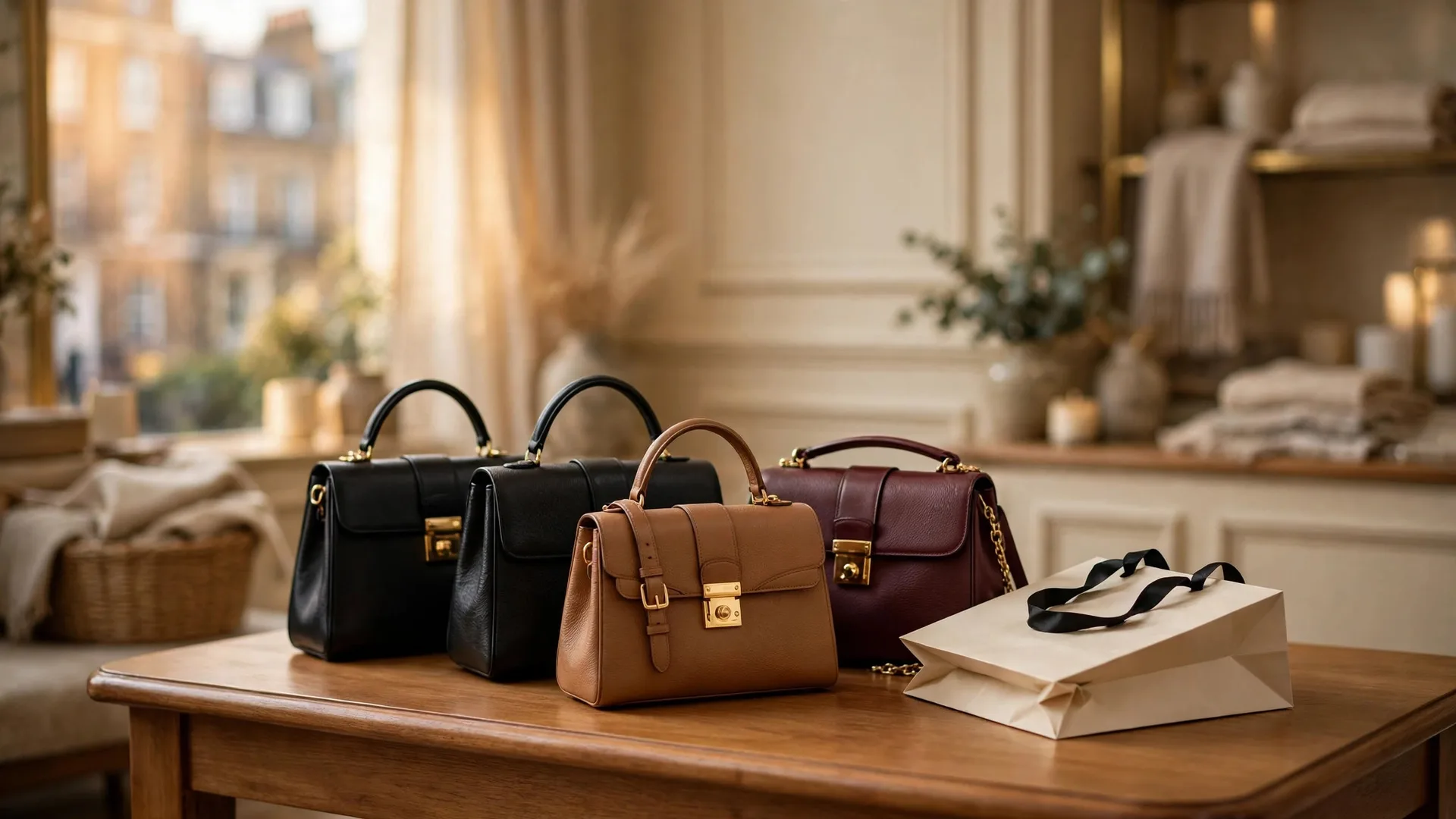
Farfetch is not a single store. It is a marketplace that connects shoppers with independent luxury boutiques and designer brands around the world. When you order a Prada bag or a Saint Laurent jacket on farfetch.com, the item usually ships directly from the boutique or brand that listed it — in Milan, Paris, Tokyo, or New York — not from a Farfetch warehouse.
That model is the key to understanding almost every complaint about the platform. Selection is enormous — Farfetch says it carries more than 2,000 brands, from big-name luxury houses to hard-to-find emerging designers — but consistency depends on which partner fulfils your order. One boutique ships fast with beautiful packaging; another is slow, and a third may send the wrong item. Farfetch sets the platform rules and handles payment and customer service, but the physical product passes through many hands before it reaches you.
This is also why Farfetch feels different from a single-brand store like Net-a-Porter or Mytheresa, which buy stock and ship it themselves. On Farfetch you are buying from a network, and the checks in this guide are designed for exactly that setup.
## The Coupang Rescue: What Changed in 2024
If you searched "is Farfetch legit" and saw headlines about bankruptcy, here is what actually happened — and why it matters less than it sounds.
Farfetch was listed on the New York Stock Exchange from 2018, but years of losses and rising interest rates left it running out of cash by late 2023. On 18 December 2023, Coupang — South Korea's largest e-commerce company and a Fortune 200 business — announced a rescue deal: a $500 million bridge loan and the acquisition of Farfetch's business and assets through an English "pre-pack" administration process. The deal completed on 31 January 2024 (Coupang press release, 31 January 2024; Business of Fashion, 31 January 2024).
The uncomfortable part: Farfetch's old shareholders, including founder José Neves, were wiped out — the listed company was expected to be liquidated, and holders of its shares and convertible notes recovered nothing. Bondholders holding more than half of its 2027 convertible notes objected and explored legal challenges. That is a story about investors, not shoppers: the marketplace itself kept trading throughout, with Coupang's capital behind it, and it continues to serve more than four million customers.
What changed for shoppers since the takeover? Coupang has been selling off non-core parts of the old Farfetch empire — the beauty retailer Violet Grey, the brand incubator New Guards Group (which holds the Off-White licence), and the London multi-brand store Browns were all reported for sale in early 2024. The core marketplace, farfetch.com, is the part that matters to you, and it is still operating normally in late 2026. One practical consequence: Farfetch is now a private company under Coupang, so it no longer publishes the detailed financial reports it did as a listed company. That is a transparency downgrade worth knowing, but it is not evidence of a scam.
## Are Farfetch Items Authentic?
This is the question that matters most when a handbag costs $1,200, and the honest answer has two parts.
First, the sourcing is genuine. Farfetch partners directly with designer brands and established boutiques — the same boutiques that sell the same pieces in their physical stores in Paris, Milan, and London. Items arrive with brand tags, designer packaging, and, where the brand uses them, authenticity cards and Farfetch security tags. That direct-boutique supply chain is the strongest authenticity signal any luxury marketplace can offer, and it is very different from an open marketplace where anyone can list anything.
Second, the system is not perfect. Because hundreds of independent boutiques fulfil orders, there are scattered customer reports of counterfeit or misdescribed items slipping through, and of return refusals when a boutique disputes an item's condition or packaging. No marketplace of this size has a zero-incident record — not StockX, not GOAT, not eBay — and Farfetch is no exception. The right way to read those reports is as a reason to inspect carefully on arrival, not as proof the platform is fake.
Your authenticity check on delivery: confirm the item matches the listing exactly (brand, model, colour, hardware), check stitching, zips, and logos against the brand's official photos, keep every tag, box, and receipt, and photograph the item before you wear it. If anything is wrong, do not wear it — an unworn item with tags attached is far easier to return. And if a listing's reviews look suspicious, paste the review text into our fake review checker before you trust the seller's rating.
## Returns and Refunds: the 30-Day Rule and Its Catches
Farfetch's returns policy is generous on paper and strict in the details — and the details are where shoppers lose money.
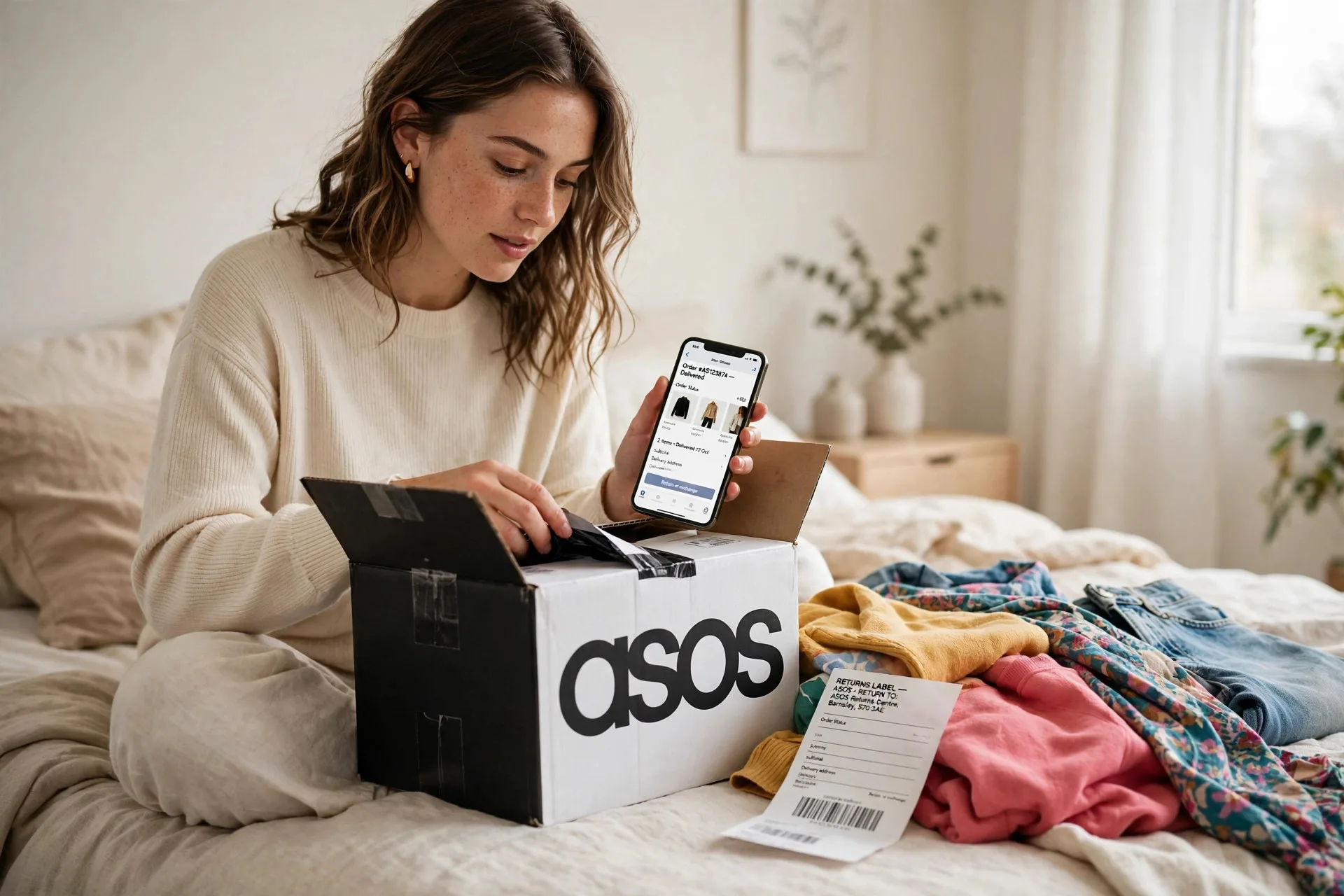
The headline rule, from Farfetch's own returns page (checked November 2026): you can return any item within 30 days of the delivery date, excluding delivery costs, using the free collection service. Book the collection within 7 days of delivery so the parcel arrives back in time. Once the brand or boutique receives your return, processing can take up to 6 calendar days, and the refund can then take up to 14 days to appear in your account depending on your payment provider.
Now the catches:
- Final sale and made-to-order items cannot be returned unless they arrive damaged or faulty. Sale items marked "final sale" are yours to keep. Check the product page for that label before you buy, not after.
- Everything must be unworn, undamaged, and unused, with all tags attached — including the Farfetch security tag in its original position. Designer boxes and cases must come back too. If a tag is missing or a box is damaged, the boutique can refuse the refund.
- Delivery costs are never refunded, and on Delivery At Place orders (see below), import duties and taxes are non-refundable through Farfetch.
- No exchanges. Every return is a refund, and you place a new order if you want a different size.
- Concierge and private-client sourcing orders follow different rules — many pieces are final sale and delivery can take up to four weeks.
- You may be offered a refund to your Farfetch account balance instead of your original payment method. That balance lasts five years from approval, cannot be cashed out, and is applied automatically to your next order. If you want cash back, choose the original payment method.
Your legal backstop is stronger than the policy in Europe. In the UK, Farfetch's own returns page cites the Consumer Contracts Regulations: you can cancel within 14 days of the order arriving. Across the EU, the Consumer Rights Directive gives you the same 14-day withdrawal right, and EU consumer law gives you a two-year window to claim for faulty goods. In the US there is no federal right to return a non-faulty item — the 30-day policy is voluntary, which is exactly why the fine print matters more for American shoppers. If a return goes wrong, the chargeback and Section 75 routes in our guide to chargebacks vs Section 75 vs PayPal Protection are the next step — see our related post, "Chargeback vs Section 75 vs PayPal Protection".
## Duties, Taxes and Delivery: DDP vs DAP
Because your order ships from a boutique in another country, the price at checkout is not always the final price. Farfetch uses two shipping models, and the difference can be hundreds of dollars on a luxury order:
- Delivery Duties Paid (DDP): duties and taxes are included at checkout. The price you see is the price you pay. This is the safer option.
- Delivery At Place (DAP): you pay import duties and sales taxes to the courier when the parcel arrives. Farfetch's own FAQ says duties are non-refundable on DAP orders if you return the item — so a returned DAP order can still cost you the duty.
US shoppers should note that the American de minimis exemption — which used to let low-value imports in duty-free — ended for all countries on 29 August 2025. An order shipped from a European boutique to the US can now attract duties even at modest values, so check whether your order is DDP or DAP before you pay. European shoppers face the mirror image: ordering from a boutique outside the EU means VAT and customs duty on arrival unless the price already includes them.
Delivery times also vary by partner, because the item travels from the boutique, not a central warehouse. Trustpilot reviewers frequently praise delivery that arrives well before the expected date — and just as frequently complain about delays, couriers leaving parcels at pickup points, or wrong items arriving. Track the parcel, and if the wrong item arrives, photograph it immediately and contact customer service before wearing or using it.
## What Real Shoppers Say: Trustpilot, BBB and the Complaints That Repeat
Farfetch's Trustpilot profile (checked November 2026) shows a 4.2 out of 5 rating across about 70,564 reviews, with Trustpilot rating the company "Great". The Better Business Bureau gives Farfetch an A+ rating. Those are strong numbers for a luxury marketplace, and they line up with the verdict of independent reviewers: Farfetch is a real, operating business, not a scam.
The pattern inside the reviews is more useful than the average. The praise repeats the same themes: huge designer selection, items that match their descriptions, fast delivery, and a website that is easy to use. The complaints repeat too, and they are worth knowing before you order:
- Delivery mix-ups and delays — the wrong brand or the wrong shoes arriving, parcels marked delivered when only part of the order turned up, and couriers that take much longer than promised.
- Return refusals over condition or packaging — boutiques rejecting returns because a tag was moved, a box was damaged, or soles were marked.
- Final-sale frustration — shoppers discovering too late that a discounted item cannot go back.
- Damaged or faulty items on arrival — including, in a November 2026 review, boots that broke the first time they were worn.
None of these complaints suggests Farfetch is fake. They suggest a marketplace where the experience depends on the boutique, the courier, and — critically — whether you read the returns terms before you buy. Treat the 4.2 rating as what it is: evidence of a legitimate platform with real operational rough edges, not a guarantee that your specific order will be perfect.
## Fake Farfetch Websites: How to Spot a Clone
The biggest Farfetch risk in 2026 is not farfetch.com — it is the websites pretending to be Farfetch. Luxury brands are the prime target for clone shops: NordVPN research published in November 2026 found a single network of 10,000 clone stores impersonating 166 brands across 26 countries, and a Scamwise report from October 2026 found a new fake store appearing roughly every three minutes. A "Farfetch" site offering a $2,000 bag for $199 is not a sale — it is a clone.
Check before you pay:
1. The domain must be exactly farfetch.com. Look for misspellings (farftech, far-fetch, farfetch-outlet), extra words (farfetch-sale, farfetch-clearance), and odd endings (.shop, .vip, .top). Type the address yourself; never follow a link from a social-media ad or a "too good to be true" email.
2. Prices that break the market are the tell. Genuine Farfetch discounts on current-season luxury rarely go beyond 30–50% in a real sale, and never 80–90% on a new-season bag.
3. Payment methods matter. A real Farfetch checkout offers cards, PayPal, Klarna, and similar mainstream options. A site that only takes bank transfer, gift cards, or cryptocurrency is a scam.
4. Run the site through a checker. Paste the address into our website checker before you enter payment details — it flags clone-shop signals in seconds.
5. Check the reviews of the site itself, not just the product. If a "Farfetch" listing's reviews read like they were written by the same person, paste the review text into our fake review checker to test them.
If you already paid a clone site, do not wait: our guide "Paid a Scam Website? 9 Steps to Take" walks through the chargeback, the evidence to gather, and the deadlines.
## The 5-Minute Check Before You Order
Run this before any Farfetch order over $100:
1. Confirm you are on farfetch.com — type it yourself.
2. Check whether the item is final sale or made-to-order on the product page.
3. Check whether the order is Delivery Duties Paid or Delivery At Place, and work out the duty cost.
4. Confirm the returns window — 30 days from delivery — and keep tags, boxes, and packaging until you are sure you are keeping the item.
5. Read the boutique's recent reviews, and paste the review text into our fake review checker if anything reads off.
6. Pay by credit card or PayPal, never by bank transfer, so you keep chargeback protection.
Related reading: our seller-verification guide "How to Verify a Seller Before You Pay", and our brand checks "Is GOAT Legit? Sneaker Resale Check" and "Is StockX Legit? Authentication Explained" — the same marketplace logic applies, with different return windows.
## Frequently Asked Questions
Is Farfetch legit or a scam?
Farfetch is legitimate. Founded in London in 2007, it is a real luxury marketplace owned by Coupang since January 2024, rated 4.2 out of 5 on Trustpilot across more than 70,000 reviews (November 2026) and A+ by the Better Business Bureau. The real risks are returns rules, import duties, and fake clone sites using its name — not the platform itself.
Is Farfetch owned by Coupang?
Yes. Coupang completed its acquisition of Farfetch's business and assets on 31 January 2024, providing $500 million in capital through a pre-pack administration rescue. Farfetch's old shareholders were wiped out, but the marketplace kept trading and continues to operate under Coupang ownership.
How long do Farfetch returns take?
Farfetch accepts returns within 30 days of delivery. Processing takes up to 6 calendar days after the boutique receives the return, and the refund can take up to 14 more days to appear, depending on your payment provider. Delivery costs are not refunded, and final-sale and made-to-order items cannot be returned unless faulty.
Are Farfetch products authentic?
Farfetch sources directly from designer brands and established boutiques, and items arrive with brand tags and designer packaging — the strongest authenticity setup a marketplace can offer. Scattered reports of counterfeit or misdescribed items exist, so inspect every item on arrival, keep all tags and packaging, and do not wear an item you may need to return.
Why is Farfetch so expensive — and are the discounts real?
Farfetch sells genuine current-season luxury at brand prices, so a $1,500 bag is a $1,500 bag. Real sale discounts are typically 30–50% on past-season pieces. A site calling itself Farfetch and offering 80–90% off a new-season item is almost certainly a clone shop — check the domain and run it through a website checker before paying.
Bottom line: Farfetch is a legitimate luxury marketplace with real designer stock, a 4.2/5 Trustpilot rating, and a 30-day returns policy — but the policy has sharp edges, duties can surprise you, and clone sites trade on its name. Do the five-minute check above, keep your tags and boxes, and pay by card. If you want a second opinion on any listing or review before you spend, paste the review text into our fake review checker — it takes less than a minute, and it is free.